
Mulch Calculator
Mulch Calculator: How Much Mulch Do You Need?
Mulch is one of the highest-return investments you can make in a garden or landscape. It suppresses weeds, regulates soil temperature, improves moisture retention, protects against soil erosion, and — for organic types — enriches the soil as it decomposes. But too little does nothing, and too much can suffocate roots and trap excess moisture. Getting the quantity right requires a simple calculation most people skip.
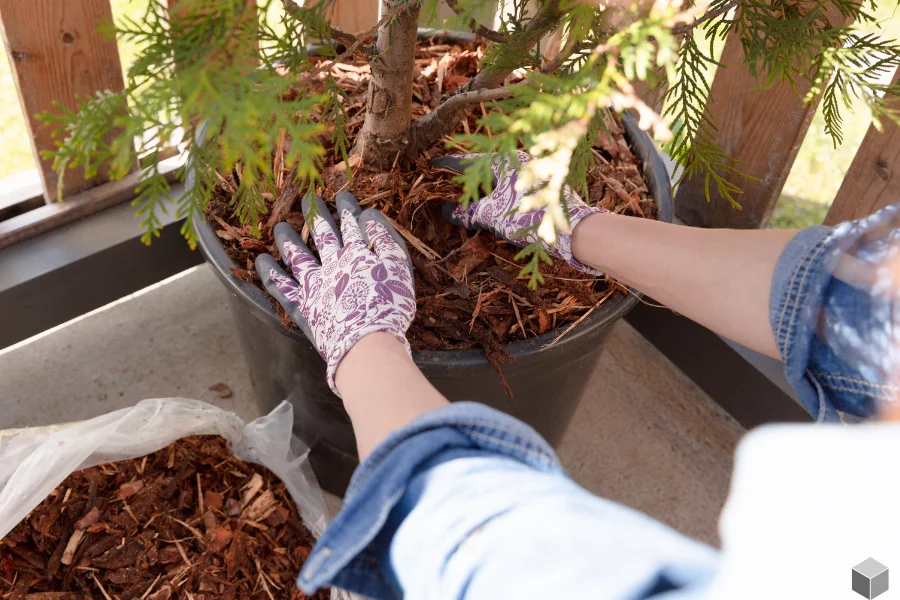
The Mulch Calculation Formula
Calculating how much mulch you need comes down to three measurements: area, depth, and a unit conversion.
Step 1 — Measure your area Length (ft) × Width (ft) = Square Feet
For irregular beds, break the area into rectangles and add them together.
Step 2 — Convert depth to feet Depth in Inches ÷ 12 = Depth in Feet
Step 3 — Calculate cubic feet Square Feet × Depth in Feet = Cubic Feet
Step 4 — Convert to cubic yards (for bulk orders) Cubic Feet ÷ 27 = Cubic Yards
The Shortcut Formula
(Square Feet × Depth in Inches) ÷ 324 = Cubic Yards
This is the fastest way to go from area and depth straight to cubic yards — the unit most bulk suppliers use.
Example: A 400 sq ft landscaping bed at 3 inches: (400 × 3) ÷ 324 = 1,200 ÷ 324 = 3.7 cubic yards
Mulch Coverage Table: How Much Does a Yard of Mulch Cover?
One cubic yard of mulch covers the following areas at standard depths:
| Mulch Depth | Coverage per Cubic Yard | Coverage per Cubic Foot |
|---|---|---|
| 1 inch | 324 sq ft | 12 sq ft |
| 2 inches | 162 sq ft | 6 sq ft |
| 3 inches | 108 sq ft | 4 sq ft |
| 4 inches | 81 sq ft | 3 sq ft |
| 6 inches | 54 sq ft | 2 sq ft |
The standard recommendation for most landscaping beds is 2–3 inches. At 3 inches, one cubic yard covers about 100 square feet — roughly a 10×10 garden bed.
How Many Bags of Mulch Do I Need?
Most bagged mulch sold at Home Depot, Lowe’s, and garden centers comes in 2 cubic foot bags. Some products come in 3 cubic foot bags.
Bags of Mulch per Cubic Yard
| Cubic Yards | 2 cu ft bags | 3 cu ft bags |
|---|---|---|
| 1 cu yd | 14 bags | 9 bags |
| 2 cu yds | 27 bags | 18 bags |
| 3 cu yds | 41 bags | 27 bags |
| 4 cu yds | 54 bags | 36 bags |
| 5 cu yds | 68 bags | 45 bags |
How far will 2 cubic feet of mulch cover? A 2 cu ft bag at 3-inch depth covers approximately 8 square feet. At 2-inch depth, it covers about 12 square feet.
How much is a bag of mulch? Bagged mulch typically costs $3–$7 per 2 cu ft bag at retail. Bulk mulch runs $25–$65 per cubic yard delivered, depending on type and region. For projects needing 3+ cubic yards, bulk is almost always cheaper.
Mulch Coverage by Project Size (Quick Reference)
| Area | 2″ deep | 3″ deep | 3″ deep (cu yd) | 2 cu ft bags @ 3″ |
|---|---|---|---|---|
| 100 sq ft | 16.7 cu ft | 25 cu ft | 0.93 yd | 13 bags |
| 200 sq ft | 33.3 cu ft | 50 cu ft | 1.85 yd | 25 bags |
| 300 sq ft | 50 cu ft | 75 cu ft | 2.78 yd | 38 bags |
| 500 sq ft | 83.3 cu ft | 125 cu ft | 4.63 yd | 63 bags |
| 1,000 sq ft | 166.7 cu ft | 250 cu ft | 9.26 yd | 125 bags |
Always add 10% overage for spillage, settling, and irregular edges.
What Is the 3-3-3 Rule for Mulch?
The 3-3-3 rule is a practical mulching guideline:
- 3 inches — Apply mulch 3 inches deep for maximum weed suppression and moisture retention without smothering roots
- 3 inches away — Keep mulch at least 3 inches away from plant stems, tree trunks, and the crowns of perennials
- 3 inches clear — Maintain a 3-inch clear zone between mulch and any structure, foundation, or hardscape edge
The most important and most often violated part of this rule is keeping mulch away from plant stems and tree trunks. Mulch piled against a trunk creates “mulch volcanoes” that trap moisture against bark, invite disease, and accelerate decay. A 3-inch gap around every stem or trunk is essential.
Mulch Types and Recommended Depths
Choosing the right mulch for your application matters as much as calculating the right quantity.
Organic Mulch Types
| Mulch Type | Recommended Depth | Decomposes? | Best For |
|---|---|---|---|
| Shredded hardwood | 2–3 inches | Yes (slowly) | Garden beds, trees |
| Wood chips / bark chips | 3–4 inches | Yes (slowly) | Pathways, trees, shrubs |
| Fine bark | 2–3 inches | Yes | Flower beds |
| Shredded leaves | 2–3 inches | Yes (quickly) | Vegetable gardens |
| Grass clippings | 1–2 inches | Yes (fast) | Vegetable gardens |
| Straw | 3–4 inches | Yes | Vegetable gardens, erosion |
| Compost | 1–2 inches | Yes | Enriching garden soil |
| Cocoa hulls | 1–2 inches | Yes | Ornamental beds |
Organic mulches decompose over time, adding nutrients to the soil and improving soil structure. They need annual topping-up — typically every 1–2 years — which is why calculating mulch needed is a recurring task.
Pine Straw Calculator
Pine straw (pine needles) is a popular mulch in the Southeast US. Unlike other mulches, pine straw coverage is measured in bales rather than cubic yards.
One bale of pine straw covers approximately 35–45 square feet at 3 inches deep.
For 500 sq ft at 3 inches: 500 ÷ 40 = 12–14 bales of pine straw
Pine straw lasts 1–2 years, is excellent for sloped areas (it doesn’t wash away easily), and slightly acidifies soil over time — ideal for acid-loving plants like azaleas, blueberries, and gardeniums.
Synthetic Mulch Types
| Mulch Type | Depth | Decomposes? | Best For |
|---|---|---|---|
| Rubber mulch | 2–3 inches | No | Playgrounds, pathways |
| Landscape fabric + mulch | Varies | No (fabric) | Weed suppression |
| Dyed wood mulch | 2–3 inches | Yes (slowly) | Aesthetic landscaping |
Rubber Mulch Calculator
Rubber mulch is made from recycled rubber (often shredded tires) and is commonly used in playgrounds, dog runs, and decorative beds where long-term durability matters more than soil enrichment.
Coverage of rubber mulch is similar to wood mulch: approximately 100 sq ft per cubic yard at 3 inches.
Playground Rubber Mulch Calculator
Playgrounds require deeper rubber mulch for fall protection. ASTM standards require specific depths based on equipment fall height:
| Equipment Fall Height | Required Rubber Mulch Depth |
|---|---|
| Up to 4 ft | 6 inches |
| Up to 6 ft | 9 inches |
| Up to 8 ft | 9 inches |
| Up to 10 ft | 12 inches |
| Up to 12 ft | 12 inches |
Example: A 1,500 sq ft playground with 8 ft equipment at 9 inches of rubber mulch: (1,500 × 9) ÷ 324 = 41.7 cubic yards of rubber mulch
Rubber mulch costs significantly more than wood mulch — typically $8–$18 per cubic foot — but lasts 10+ years without replacement, making the lifetime cost competitive for playground applications.
How Many Bags of Rubber Mulch Do I Need?
Rubber mulch is commonly sold in 0.8 cu ft bags. One cubic yard = 27 cubic feet, so you need approximately 34 bags (0.8 cu ft) per cubic yard of rubber mulch.
Is October Too Late to Mulch?
October is not too late — in fact, fall is one of the best times to mulch for most of the US.
Why fall mulching is beneficial:
- Mulch applied before the ground freezes insulates roots against freeze-thaw cycles that heave plants out of the soil
- It retains soil moisture through dry fall periods
- Organic mulch starts decomposing over winter, adding nutrients before spring
When to apply fall mulch: Wait until after the first light frost but before the ground freezes hard. For most of the US, this is late October to mid-November, depending on your zone.
Is it dumb to mulch in the fall? No — mulching in fall is smart, practical, and recommended by most extension services. The only caveat: mulch too early in fall (before frost) while the ground is still warm, and you can trap heat that delays plant dormancy. Wait for after the first frost.
Benefits of Mulch
Mulch protects soil in several important ways that make it a cornerstone of good landscaping and gardening practice:
Regulates soil temperature. Mulch acts as an insulating layer between the soil and weather extremes — moderating summer heat and winter cold, keeping roots in a more stable temperature range.
Improves moisture retention. By reducing evaporation from wind and sun, mulch can reduce watering frequency by 25–50% in established beds.
Reduces weed growth. A layer of mulch blocks sunlight from reaching weed seeds in the soil and prevents wind-carried seeds from reaching the ground. At 3 inches, weed suppression is significant.
Prevents soil erosion. Mulch absorbs the impact of rain, reducing runoff and preventing topsoil from washing away on slopes.
Enriches soil (organic types). As organic mulch decomposes, it adds organic matter that improves soil structure, drainage, and nutrient availability.
What Are the Major Downsides of Mulching?
Mulching done incorrectly has real downsides worth knowing:
Too much mulch suffocates roots. Mulch deeper than 4 inches can deplete soil oxygen, create anaerobic conditions, and essentially rot roots. The “mulch volcano” around tree trunks is one of the most common causes of tree death in suburban landscapes.
Mulch can harbor pests. Wood mulch creates ideal habitat for termites, carpenter ants, slugs, and other pests. Keep mulch away from building foundations to reduce pest ingress risk.
Some mulch changes soil pH. Freshly chipped wood and pine bark can slightly lower pH, which benefits acid-loving plants but can harm others. Dyed mulch may contain additives — always verify sourcing from reputable suppliers.
Organic mulch needs replenishment. Unlike synthetic alternatives, organic mulches decompose and require annual or biannual top-dressing, adding recurring material and labor cost.
Wet mulch can harbor fungal diseases. Overly thick mulch that stays wet promotes fungal growth in the mulch itself, and water-mold diseases can spread from wet mulch to plant crowns.
Mulch Cost Estimator
| Mulch Type | Bulk (per cu yd) | Bagged (per cu ft) | Lifespan |
|---|---|---|---|
| Shredded hardwood | $25 – $50 | $0.75 – $2 | 1–2 years |
| Wood chips / bark | $20 – $45 | $0.75 – $2 | 2–3 years |
| Dyed wood mulch | $35 – $65 | $1 – $2.50 | 2–3 years |
| Pine straw | N/A (per bale: $4–$10) | N/A | 1–2 years |
| Rubber mulch | $150 – $500 | $5 – $12 | 10–15 years |
| Landscape rock | $60 – $150 | N/A | Indefinite |
Frequently Asked Questions
What Is the 3-3-3 Rule for Mulch?
The 3-3-3 rule means: apply mulch 3 inches deep, keep it 3 inches away from plant stems and tree trunks, and maintain a 3-inch clear zone from structures. The 3-inch depth maximizes weed suppression and moisture retention. The 3-inch clearance from plant stems prevents rot, disease, and pest damage from mulch piled against bark.
How Can I Calculate How Much Mulch I Need?
Measure the length and width of your bed in feet and multiply to get square footage. Use the formula: (Square Feet × Depth in Inches) ÷ 324 = Cubic Yards. For bags, multiply cubic yards by 14 for 2 cu ft bags, or by 9 for 3 cu ft bags. Add 10% overage. Use the mulch calculator above to skip the math entirely.
How Far Will 2 Cubic Feet of Mulch Cover?
A 2 cubic foot bag of mulch covers approximately 8 square feet at 3-inch depth (the standard recommendation), 12 square feet at 2-inch depth, or 24 square feet at 1-inch depth. For most landscaping beds where weed suppression is the goal, plan on one 2 cu ft bag per 8 square feet of bed area.
Is October Too Late to Mulch?
No — October is an excellent time to mulch in most of the US. Fall mulching before the ground freezes protects plant roots from freeze-thaw damage, retains moisture through dry winters, and allows organic mulch to begin decomposing and adding nutrients before spring. Apply after the first frost but before the ground freezes hard, typically late October through mid-November depending on your climate zone.
Is It Dumb to Mulch in the Fall?
Not at all — fall mulching is recommended by most garden experts and university extension services. The only timing mistake is applying mulch before the first frost while the ground is still warm, which can delay plant dormancy. Wait until after the first light frost and mulching in fall is both practical and beneficial.
What Is a Major Downside to Mulching?
The biggest downside is applying too much. Mulch deeper than 4 inches can deprive soil of oxygen, creating conditions that damage or kill roots. Piling mulch against tree trunks (“mulch volcanoes”) is one of the leading preventable causes of landscape tree decline. Other downsides include providing habitat for termites and slugs, the need for regular replenishment (organic types), and the potential for wet mulch to harbor fungal disease near plant crowns.
Quick Reference Summary
| Calculation | Formula / Value |
|---|---|
| Cubic yards from sq ft + inches | (Sq ft × depth in inches) ÷ 324 |
| Coverage at 3″ (per yd) | ~108 sq ft |
| Coverage at 2″ (per yd) | ~162 sq ft |
| Bags per cubic yard (2 cu ft) | 14 bags |
| Bags per cubic yard (3 cu ft) | 9 bags |
| 2 cu ft bag coverage at 3″ | ~8 sq ft |
| Recommended depth (standard) | 2–3 inches |
| Clearance from stems/trunks | 3 inches minimum |
| Playground rubber mulch (6 ft fall) | 9 inches minimum |
| Pine straw coverage per bale | ~35–45 sq ft at 3″ |
| Overage factor | Add 10% |
Use the mulch calculator above to get your cubic yards, bags, and cost estimate in seconds — enter your area dimensions and depth and the calculator handles the rest.